Math simulations
Small interactive visualizations for the linear-algebra ideas behind EE263. Open one and change the parameters to build intuition.

2×2 matrix as a transformation
Change the four entries and watch the grid stretch, rotate, shear, and collapse. The columns of A are the basis-vector images.
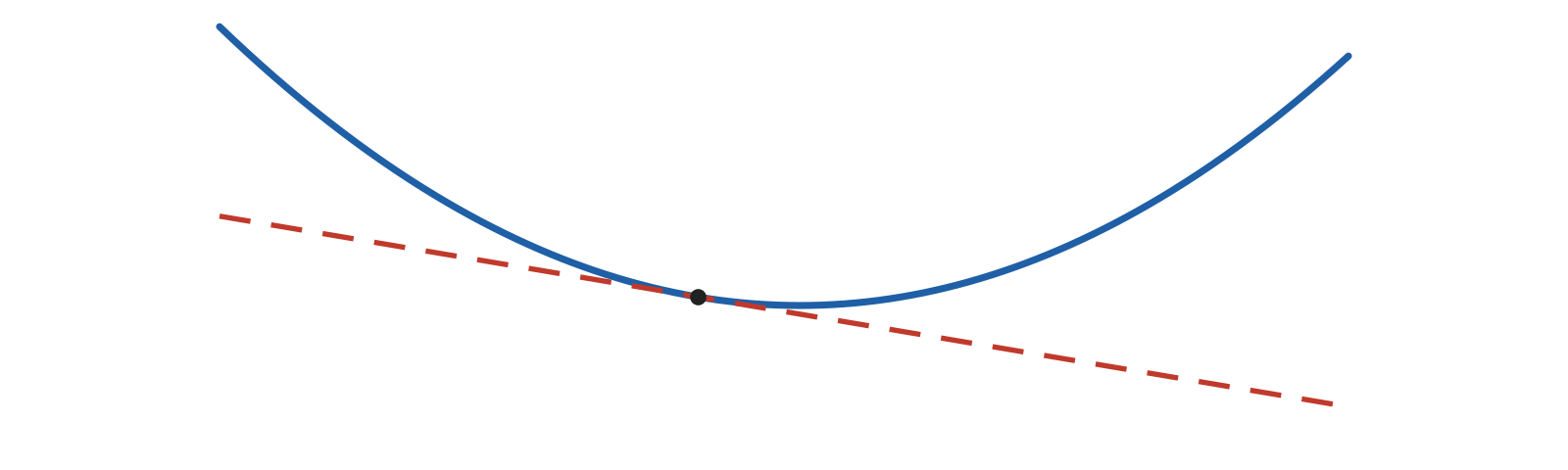
Linearization: tangent line & plane
See the best linear approximation of a nonlinear function in 1D and 2D, and where it stops being accurate.
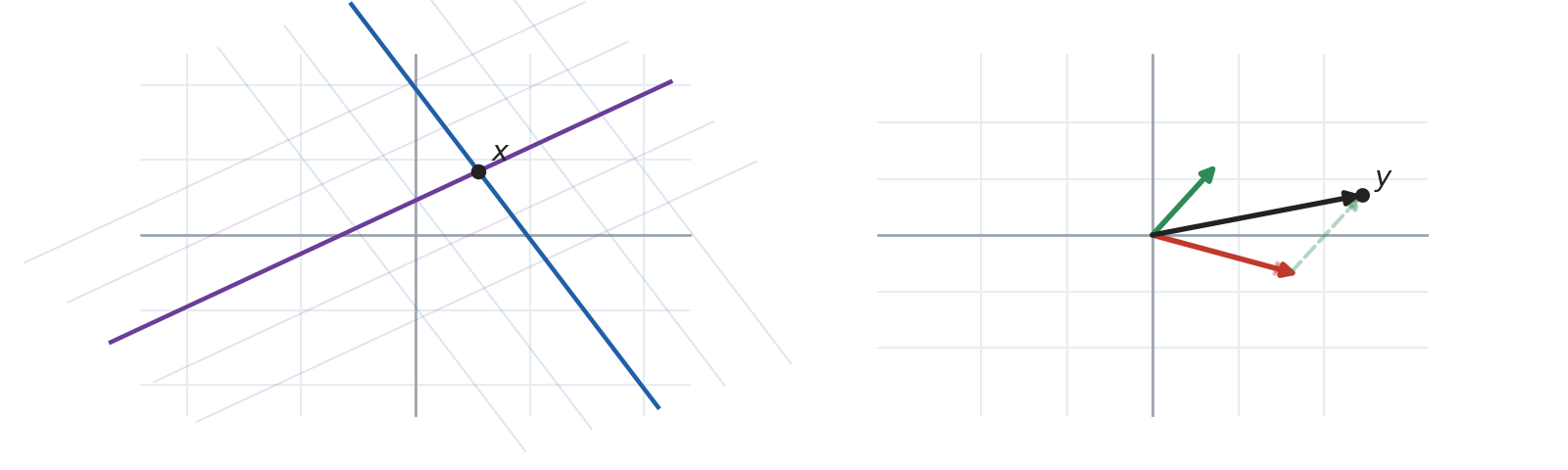
Two views: columns & rows
The output as a mixture of columns, and the solution as the intersection of the row-lines. Make A singular to see both degeneracies at once.
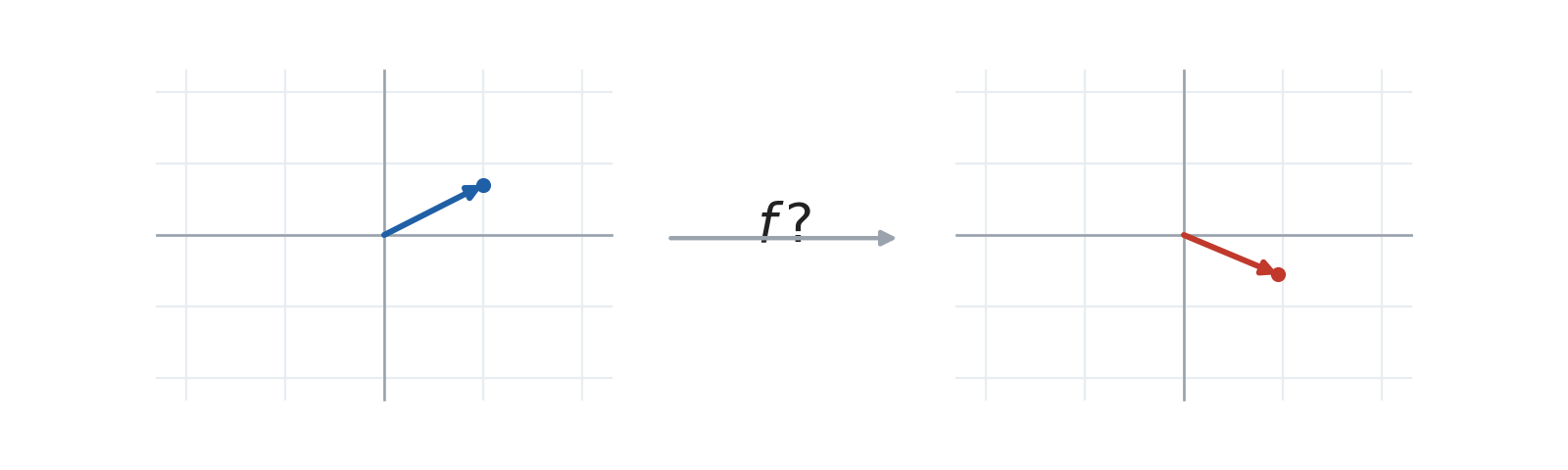
Linear or not?
Probe five hidden maps of the plane: feed inputs, read outputs, and decide which are linear. No formulas shown.
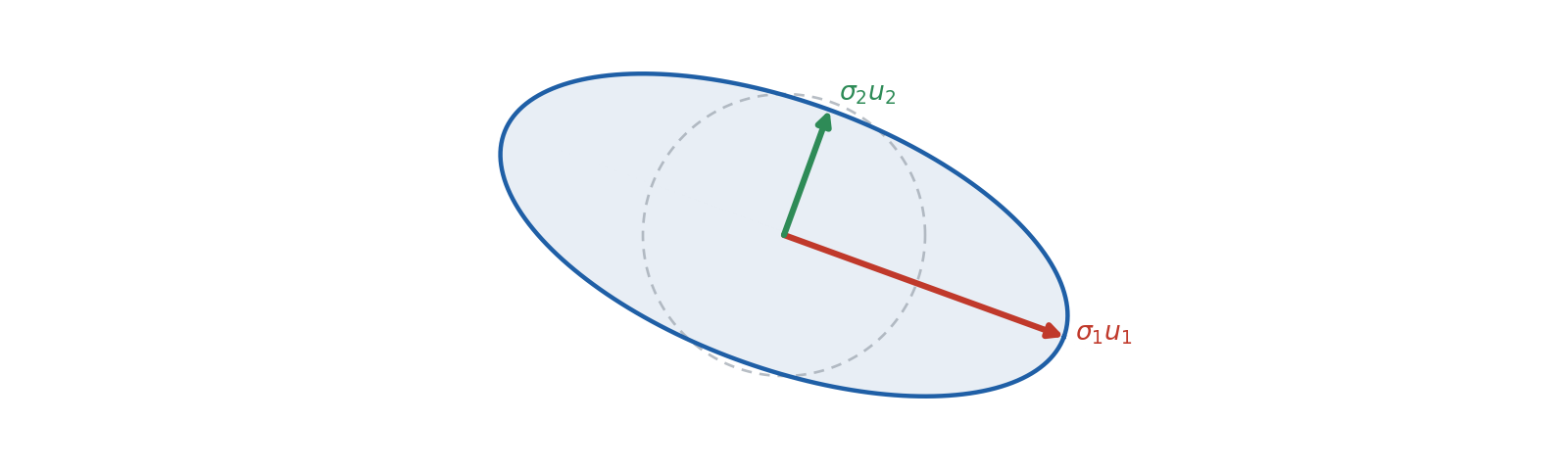
The SVD is rotate, scale, rotate
Watch A = UΣVT map the unit circle to an ellipse in three steps. The half-axes are the singular values, the max and min gains of A.

Low-rank approximation
Rebuild an image from its k largest singular components, the best rank-k approximation. See why photos compress and noise does not.
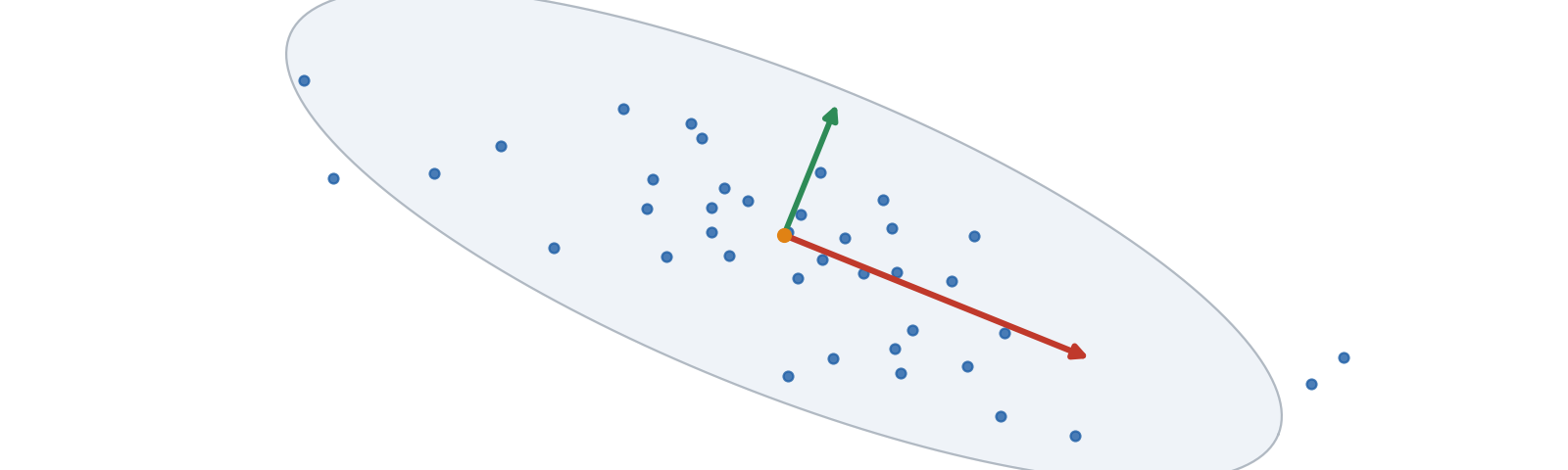
Principal directions of a point cloud
The SVD of a centered data matrix finds the directions of greatest spread. Drag the points and watch the principal axes track the cloud.

The 2D Gaussian and its ellipsoids
Shape a covariance matrix and see the confidence ellipses it implies. Then draw samples and count how many really land inside the 90% one.
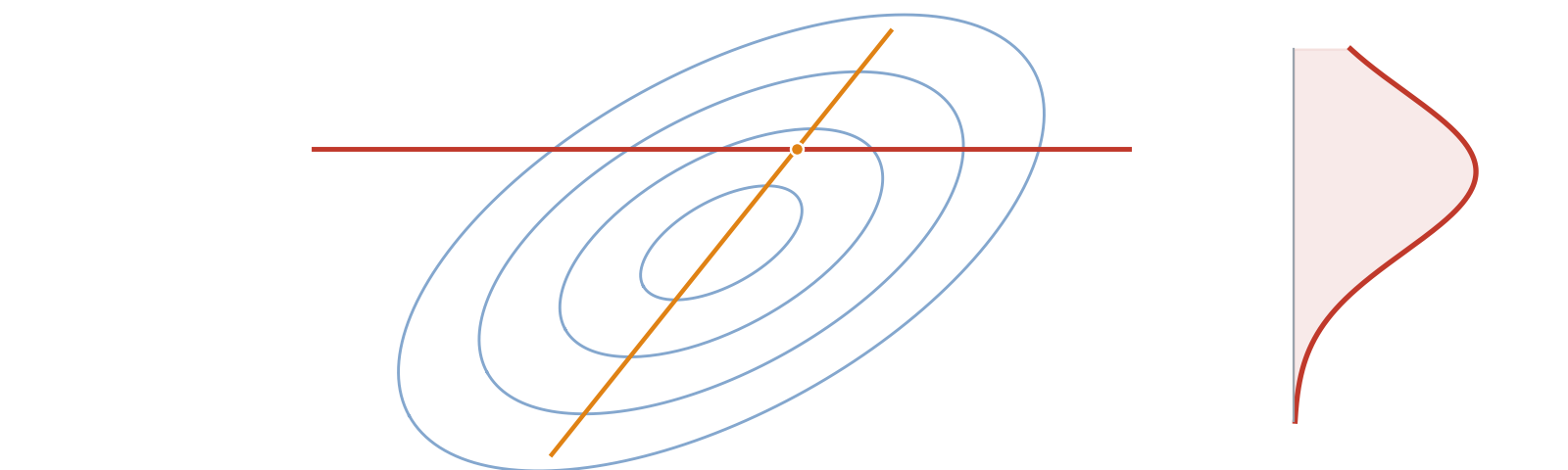
Conditioning is slicing
Drag the line where you observed x2. The conditional mean slides affinely along it, and the conditional variance never changes.
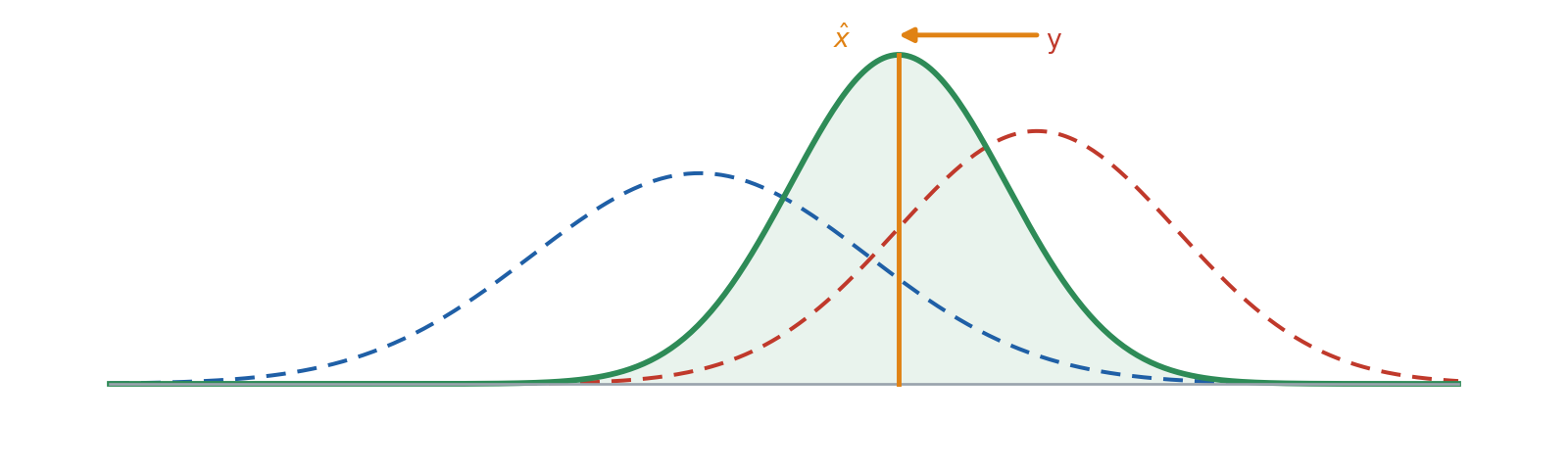
Why the best guess is not the measurement
Prior times likelihood gives the posterior, whose mean is the MMSE estimate: the measurement shrunk toward the prior. Thousands of trials show it wins.